

Neurological and systemic impact of early infections
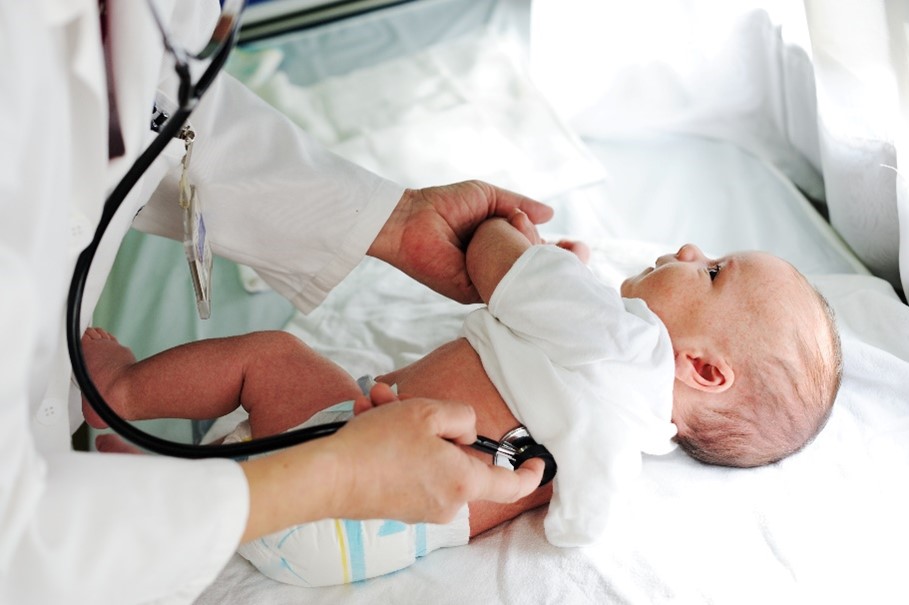
Early life infections represent a critical window of vulnerability with potential long-term consequences for neurological and systemic development. Childhood infections have been associated with an increased risk of developing atopic diseases, cardiometabolic disorders, and mental health conditions later in life, highlighting the need for early identification and careful monitoring of children who experience frequent infections.1
Neuroinflammatory Mechanisms
Early-life infections can trigger persistent neuroinflammation, with microglial activation, cytokine release, and altered neurotrophic signaling disrupting normal neurodevelopment. Evidence increasingly supports associations between early-life infections and neurodevelopmental disorders.
Neurodevelopmental Consequences
- Childhood infections may contribute to suboptimal development. Epidemiological studies have identified correlations between perinatal infections and increased risk for autism spectrum disorders, schizophrenia, and attention deficit hyperactivity disorder.2
- The associations were particularly pronounced for specific infections, namely, skin, lower respiratory tract, and vaccine-preventable infections, and among children experiencing three or more episodes.3
- The timing of infection relative to critical developmental windows appears crucial in determining specific neurodevelopmental outcomes.
Systemic Effects
- Early-life infections can reprogram systemic physiology, affect the developing hypothalamic-pituitary-adrenal (HPA) axis and immune system, and potentially alter lifelong stress responses and susceptibility to infections and autoimmune diseases.
- The developing HPA axis demonstrates particular sensitivity to infectious insults, potentially leading to altered stress responsivity throughout life.
- Early infections can similarly shape immune system development by recalibrating immunological set points, affecting susceptibility to both infectious and autoimmune diseases later in life.
Epigenetic Mechanisms
Early-life infections can induce lasting epigenetic changes, altering DNA methylation, histone modifications, and non-coding RNA expression, which influence gene function and long-term health outcomes.
It has been substantiated that neonatal infections can alter immune and brain development; while severe infections cause overt neurological injury, mild-to-moderate infections during critical periods may subtly modify responses to later insults.4 Nonetheless, some studies have suggested that early immune stimulation by infections may shift the preterm neonatal immune system from tolerance to a more competent state, enhancing defense against extrauterine pathogens.5
References
- Brustad N, Buchvald F, Jensen SK, et al. Burden of Infections in Early Life and Risk of Infections and Systemic Antibiotics Use in Childhood. JAMA Netw Open. 2025;8(1):e2453284. Published 2025 Jan 2. doi:10.1001/jamanetworkopen.2024.53284
- Brown AS. Epidemiologic studies of exposure to prenatal infection and risk of schizophrenia and autism. Dev Neurobiol. 2012;72(10):1272-1276. doi:10.1002/dneu.22024
- He WQ, Moore HC, Miller JE, et al. Impact of early childhood infection on child development and school performance: a population-based study. J Epidemiol Community Health. 2024;79(1):27-35. Published 2024 Dec 10. doi:10.1136/jech-2024-222040
- Bilbo SD, Schwarz JM. Early-life programming of later-life brain and behavior: a critical role for the immune system. Front Behav Neurosci. 2009;3:14. Published 2009 Aug 24. doi:10.3389/neuro.08.014.2009
- Raymond SL, Rincon JC, Wynn JL, Moldawer LL, Larson SD. Impact of Early-Life Exposures to Infections, Antibiotics, and Vaccines on Perinatal and Long-term Health and Disease. Front Immunol. 2017;8:729. Published 2017 Jun 23. doi:10.3389/fimmu.2017.00729
Doctor Reviews 0
Verified clinical perspectives shared by healthcare professionals across the country.