

Developing Lipid Architecture of Neonatal Skin
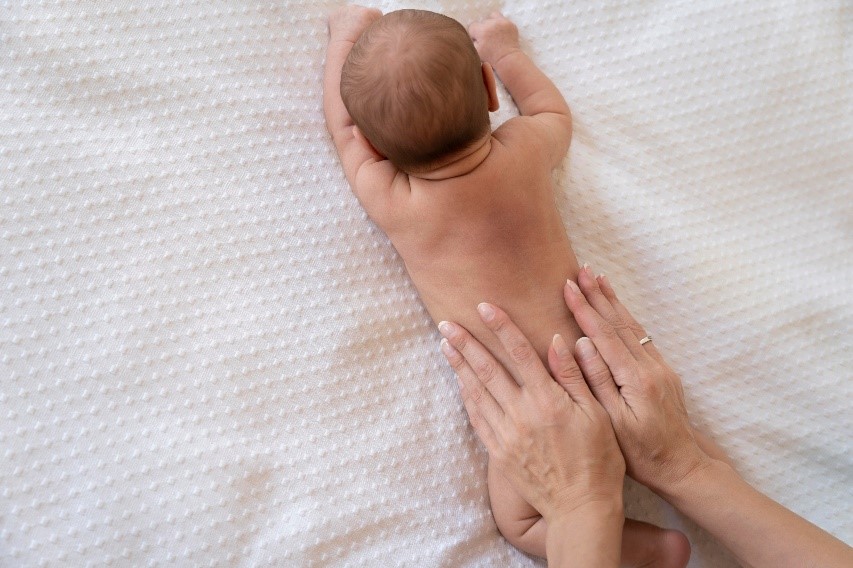
The formation of an effective skin barrier in neonates represents a critical developmental process with significant clinical implications. The skin barrier, particularly its lipid composition and organization, plays a fundamental role in protecting newborns from environmental pathogens, preventing excessive transepidermal water loss (TEWL), and maintaining homeostasis.
Structural Development of the Skin Barrier
The skin barrier primarily resides within the stratum corneum, the outermost layer of the epidermis. In neonates, vernix caseosa, a protective coating of the skin, develops during the last trimester of gestation, coincides with the terminal differentiation of the epidermis and formation of the stratum corneum1, and continues to develop throughout the early postnatal period.
Lipid Composition of the Neonatal Skin Barrier
The intercellular lipid matrix primarily consists of three major classes of lipids:
Ceramides
Ceramides constitute approximately 50% of stratum corneum lipids by weight. These complex sphingolipids are critical for barrier function, with at least 12 subclasses identified in human skin2. During neonatal development, the ceramide profile undergoes significant changes, with particular ceramide species increasing in concentration as barrier function matures.
Cholesterol
Cholesterol accounts for approximately 25% of stratum corneum lipids. It maintains lipid matrix fluidity and structural integrity, with progressive postnatal increases in cholesterol content enhancing neonatal skin barrier function.
Free Fatty Acids
Free fatty acids, primarily long-chain saturated species (C22–C26), constitute approximately 10–15% of stratum corneum lipids3. These components enable tightly packed orthorhombic lipid domains, with neonatal fatty acids shifting from shorter- to longer-chain species during barrier maturation.
However, the acid mantle (protective barrier) is not fully developed in infants, predisposing them to more infections and irritants.
Lipid Organization and Barrier Functionality
The organization of these lipids into lamellar structures is equally important as their composition. In neonatal skin, lipids are initially arranged in a less ordered, hexagonal phase that gradually transitions to a more tightly packed orthorhombic organization as the barrier matures.
This structural transformation significantly enhances barrier function by reducing permeability to water and potential irritants.
Developmental Stages: From Fetus to Newborn
Barrier development increases with gestational age, and the epidermal maturation is complete by 34 weeks of age4.
- Mid-gestation (20–24 weeks): Primitive stratum corneum with limited barrier capacity
- Late gestation (32–36 weeks): Increased lipid content and ceramide complexity
- Preterm birth (<37 weeks): Extremely delicate underdeveloped skin having high risk of infection and fluid loss
- Newborn (0–1 month): Near-complete barrier formation with ongoing refinement; skin is thin, sensitive, and prone to dryness and irritation
Conclusion
Neonatal skin barrier lipid development is a complex, tightly regulated process critical for successful extrauterine adaptation. Elucidating lipid maturation dynamics informs optimized neonatal skincare and targeted interventions, particularly for preterm infants or those with barrier dysfunction.
References
- Choi EH. Skin Barrier Function in Neonates and Infants. Allergy Asthma Immunol Res. 2025;17(1):32–46.
- Kono T, Miyachi Y, Kawashima M. J Dermatol. 2021;48(12):1807–1816.
- Siqueira RAGB, et al. ACS Omega. 2025;10(27):28534–28546.
- Oranges T, et al. Adv Wound Care. 2015;4(10):587–595.
Doctor Reviews 0
Verified clinical perspectives shared by healthcare professionals across the country.