

TEWL and Hydration Physiology
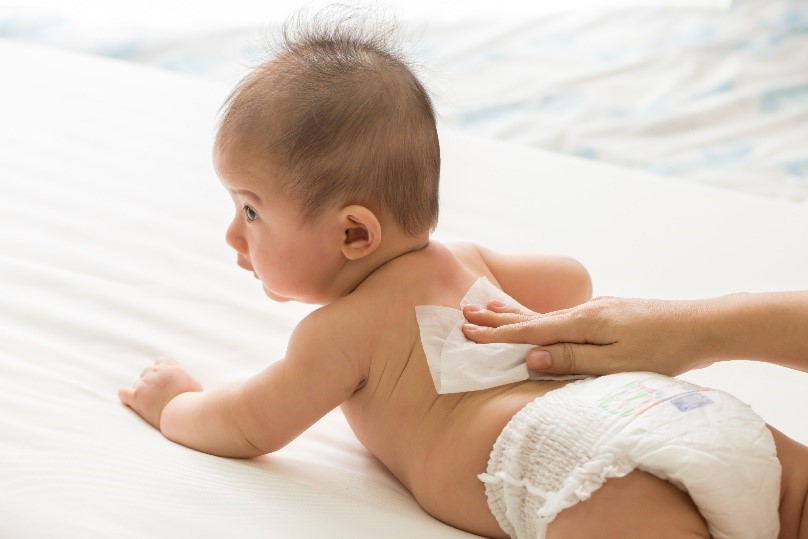
Transepidermal water loss (TEWL) is a key physiological parameter that reflects the passive diffusion of water through the skin barrier. In neonates, particularly those born prematurely, elevated TEWL has important clinical implications due to the immaturity of the epidermal barrier1. During the early postnatal period, progressive maturation of the skin barrier is essential for maintaining fluid balance, thermoregulation, metabolic stability, and protection against microbial invasion.
Skin Barrier Development in Neonates
- Neonatal skin differs structurally and functionally from adult skin. Full-term infants are born with a relatively intact epidermal barrier that continues to mature during the first weeks of life. In contrast, preterm infants exhibit an underdeveloped stratum corneum, resulting in increased skin permeability and higher TEWL.
- In infants born before 34 weeks of gestation, the stratum corneum may consist of only 2–3 cell layers, compared with approximately 10–20 layers in term neonates. This reduced thickness is directly associated with impaired barrier function. Consequently, TEWL is inversely related to gestational age, with extremely preterm infants demonstrating TEWL rates up to 10–15 times higher than those of full-term infants2.
Physiological Consequences of Elevated TEWL
- Fluid and electrolyte imbalances: Excessive TEWL in preterm neonates can lead to significant fluid and electrolyte disturbances, including hypernatremic dehydration, often necessitating increased fluid intake.
- Temperature instability: Elevated TEWL also contributes to evaporative heat loss, predisposing infants to hypothermia and increased metabolic demands.
- Metabolic consequences: The energy required to compensate for fluid and heat loss may divert resources from growth, contributing to postnatal growth restriction.
- Skin integrity compromise: Excessive water loss compromises skin integrity, increasing susceptibility to skin breakdown and infection3.
Clinical Assessment of TEWL
TEWL can be assessed using closed-chamber or open-chamber evaporimeters, as well as indirect methods such as electrical impedance measurements. These tools help identify infants at risk of barrier-related complications and evaluate the effectiveness of interventions aimed at enhancing skin barrier function.
Conclusion
Transepidermal water loss represents a significant physiological challenge in neonatal care, particularly for premature infants. Understanding the developmental biology of the skin barrier, implementing appropriate assessment techniques, and utilizing evidence-based interventions can significantly improve outcomes.
Emollients enhance skin barrier function by increasing stratum corneum hydration and restoring intercellular lipid composition, thereby reducing TEWL and limiting penetration of environmental irritants and allergens4.
References
- Rutter N. Clinical consequences of an immature barrier. Semin Neonatol. 2000;5(4):281–287.
- Sedin G, Agren J. Water and heat—the priority for the newborn infant. Ups J Med Sci. 2006;111(1):45–59.
- Mathanda TR, M Bhat R, Hegde P, Anand S. Transepidermal Water Loss in Neonates. Pediatr Dermatol. 2016;33(1):33–37.
- Choi EH. Skin Barrier Function in Neonates and Infants. Allergy Asthma Immunol Res. 2025;17(1):32–46.
Doctor Reviews 0
Verified clinical perspectives shared by healthcare professionals across the country.