

Skin microbiome development in infancy
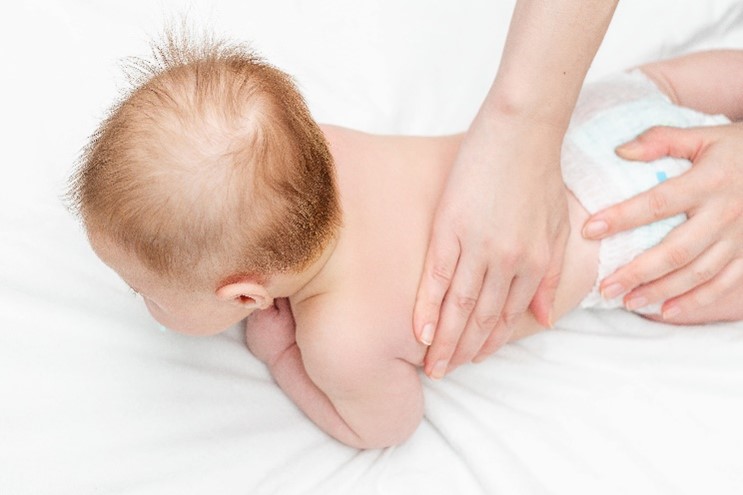
As an integral component of the human ecosystem, the skin microbiome plays a pivotal role in maintaining cutaneous homeostasis and overall skin health1. The development of the skin microbiome during infancy represents a crucial period of microbial colonization that influences long-term dermatological outcomes.
Although microbiome development is shaped by multiple factors, including genetic predisposition, antibiotic exposure, diet, and environmental influences, maternal microbial transfer during delivery represents the primary and most immediate source of neonatal skin colonization2.
Initial Microbial Colonization at Birth
- Infants delivered by cesarean section show greater sharing of environmental skin microbiota compared with those born vaginally, likely due to reduced maternal microbial transfer and lower colonization resistance at birth3.
- Vaginal delivery results in infant skin microbiota resembling maternal vaginal flora, dominated by Lactobacillus, whereas cesarean delivery is associated with microbiota resembling maternal skin, enriched in Staphylococcus, Corynebacterium, and Cutibacterium4.
Site-Specific Development of the Infant Skin Microbiome
- Sebaceous areas progressively become dominated by lipophilic organisms such as Cutibacterium acnes.
- Moist sites show greater colonization by Staphylococcal species.
- Environmental factors, including bathing practices, emollient use, household exposures, and geographic location, significantly influence microbial diversity and composition.
Role of Maternal Contact and Breastfeeding
- Maternal–infant skin contact, particularly early skin-to-skin care, facilitates transfer of beneficial commensals that support healthy microbiome establishment.
- Breastfeeding further promotes optimal microbiome development through direct contact and immunological factors in breast milk that shape microbial communities.
Impact of Hygiene Practices and Antibiotic Exposure
- Early bathing and excessive hygiene may disrupt neonatal skin microbiome development, with effects varying by gestational age.
- Antibiotic use in infancy should be judicious due to its broad impact on microbial communities, including the skin microbiome.
Clinical Implications
- Disruptions in normal microbial succession are associated with an increased risk of atopic dermatitis, eczema, and other inflammatory skin conditions.
- Early-life microbial exposure shapes skin immune function through host–microbe interactions, influencing long-term dermatological health5.
Conclusion
The evolving understanding of infant skin microbiome development highlights the importance of early microbial exposures in shaping skin health. Optimizing maternal, environmental, and care-related factors during this critical period may support balanced microbiome development and reduce the risk of pediatric skin disorders.
References
- Li Z, Zhang J, Zhang Y, et al. Skin microbiome in health and disease. Clin Cosmet Investig Dermatol. 2025;18:3443–3455.
- Rapin A, Rehbinder EM, Macowan M, et al. Skin microbiome in the first year of life. Allergy. 2023;78(7):1949–1963.
- Chaudhary PP, O'Laughlin B, Kumar PS, et al. Vaginal delivery and microbial colonization resistance. Clin Transl Med. 2023;13(12):e1506.
- Oranges T, Dini V, Romanelli M. Skin physiology of the neonate and infant. Adv Wound Care. 2015;4(10):587–595.
- Dhariwala MO, Scharschmidt TC. Baby’s skin bacteria: first impressions are long-lasting. Trends Immunol. 2021;42(12):1088–1099.
Doctor Reviews 0
Verified clinical perspectives shared by healthcare professionals across the country.