
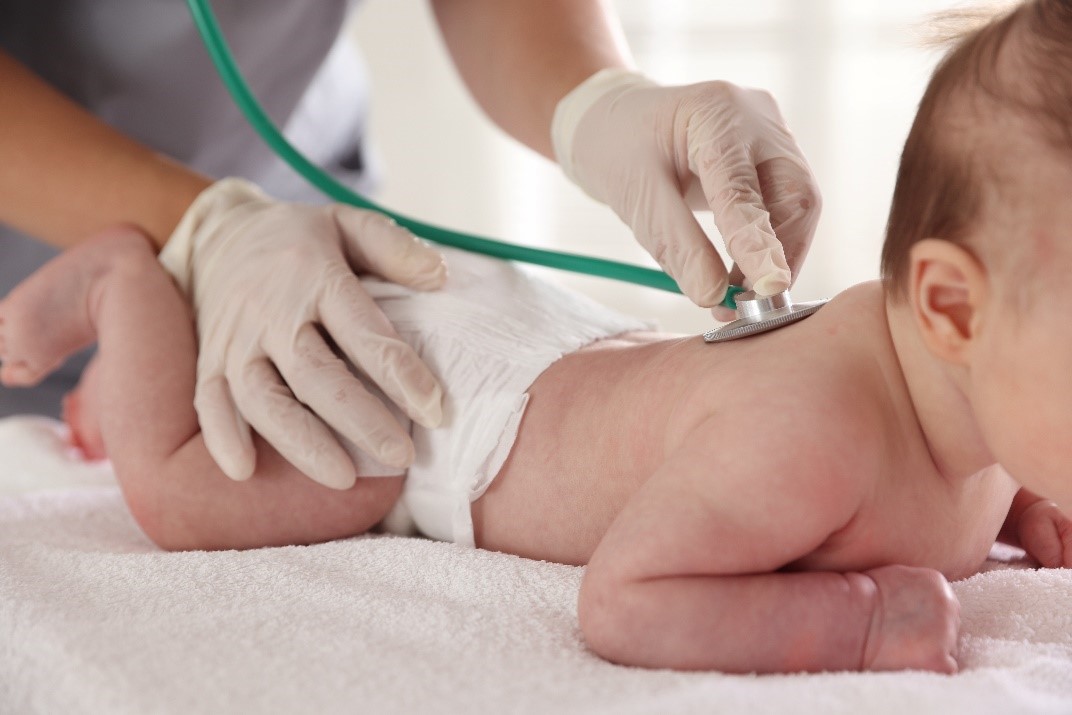
The first 1,000 days of life, from conception to the child’s second birthday, are a critical window for growth, organ development, and long-term health. Nutrition, caregiving, and environmental exposures during this period strongly influence immune function, cognitive development, metabolism, and organ maturation. Optimizing this early period provides a foundation for lifelong physical and developmental resilience.1
Key Considerations for Skin and Overall Development
Critical Window of Organ and System Development
- During the first 1,000 days, major organs including the brain, heart, lungs, kidneys, liver, musculoskeletal system, integumentary system, and immune system mature rapidly.
- Early development sets physiological benchmarks influencing long-term growth, metabolism, immunity, and organ function.
- Supportive care and monitoring during this period optimize organ development and overall health.
Skin Development and Care
Infant Skin Characteristics
- Thinner, more permeable, and functionally immature compared with adult skin.
- Highly sensitive to dryness, irritation, microbial imbalance, and inflammation.2
Barrier Development and Hydration
- Stratum corneum lipid matrix, composed of ceramides, cholesterol, and free fatty acids, is essential for barrier integrity.3
- Early and consistent use of emollients supports barrier maturation, reduces dryness, and prevents irritation.4
- Safe natural emollients such as ghee, shea butter, sunflower oil, and almond oil are effective options for skin hydration and protection.
Microbiome and Immune Support
- Early colonization by beneficial microbes, including Staphylococcus epidermidis, supports barrier integrity and immune system maturation.
- Disruptions in skin microbiome may increase susceptibility to infections, inflammation, and dermatologic conditions.
Gentle Skin Care Practices
- Use mild, fragrance-free cleansers and avoid harsh chemicals.
- Limit bathing to brief, lukewarm sessions.
- Apply emollients immediately after bathing and throughout the day to maintain hydration and barrier function.
Nutrition and Systemic Health
- Immediately after birth, newborns lose about 5%–10% body weight until about 2 weeks of age, when they have established good feeding patterns, begin to gain weight, and grow.5
- Maternal nutrition during pregnancy and adequate infant feeding, including breastfeeding and nutrient-rich complementary foods, support skin maturation, immunity, and growth.
Environmental and Developmental Factors
- Safe, stimulating environments support neurodevelopment, organ maturation, and healthy immune function.
- Responsive caregiving, age-appropriate sensory stimulation, and stress reduction promote overall well-being.
- Limiting exposure to toxins, pollutants, and unnecessary antibiotics reduces risk of infections and supports healthy microbiome development.
Integrating skin-directed care with overall developmental support during the first 1,000 days strengthens the skin barrier, reduces the risk of dermatologic conditions, and promotes healthy growth. Early, consistent interventions not only protect against skin-related issues such as atopic dermatitis but also lay a foundation for long-term developmental resilience and overall health.
References
- Likhar A, Patil MS. Importance of Maternal Nutrition in the First 1,000 Days of Life and Its Effects on Child Development: A Narrative Review. Cureus. 2022;14(10):e30083. Published 2022 Oct 8. doi:10.7759/cureus.30083
- Inamadar A, Nimbalkar SM, Thakor P, Menon S. Skin Care Practices in Indian Newborns and Infants: Current Scenario. Pediatric Health Med Ther. 2025;16:183-194. Published 2025 Jul 23. doi:10.2147/PHMT.S494651
- Choi EH, Kang H. Importance of Stratum Corneum Acidification to Restore Skin Barrier Function in Eczematous Diseases. Ann Dermatol. 2024;36(1):1-8. doi:10.5021/ad.23.078
- Araviiskaia E, Pincelli C, Sparavigna A, Luger T. The Role of a Novel Generation of Emollients, 'Emollients Plus', in Atopic Dermatitis. Clin Cosmet Investig Dermatol. 2022;15:2705-2719. Published 2022 Dec 14. doi:10.2147/CCID.S389697
- Beluska-Turkan K, Korczak R, Hartell B, et al. Nutritional Gaps and Supplementation in the First 1000 Days. Nutrients. 2019;11(12):2891. Published 2019 Nov 27. doi:10.3390/nu11122891