

Early eczema as a predictor of allergy
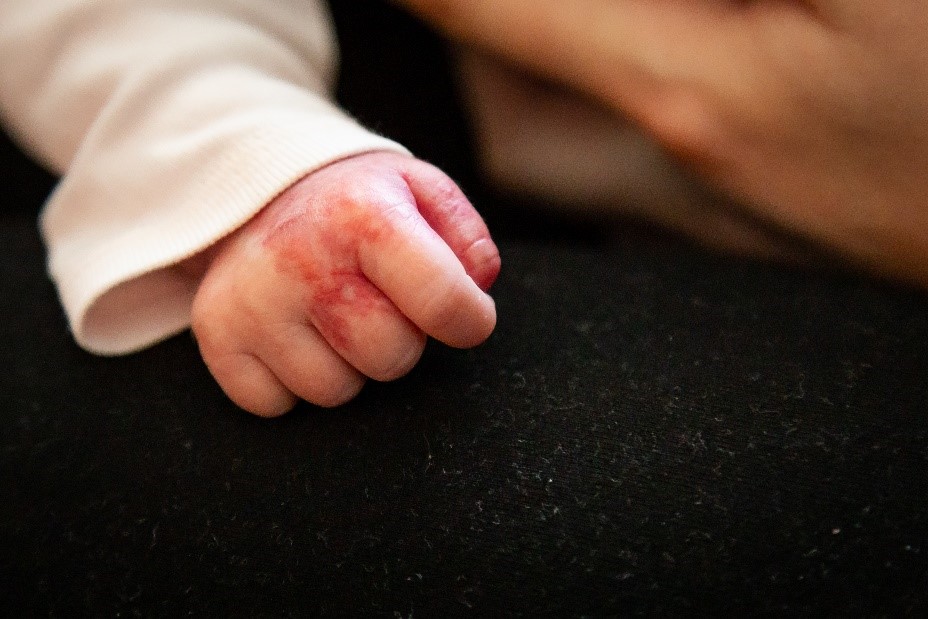
Eczema, or atopic dermatitis (AD), often appears in infancy and is increasingly recognized as an early marker of future allergic diseases. Infants with early-onset eczema are at higher risk of developing food allergies, asthma, and allergic rhinitis, reflecting the sequential progression described by the atopic march. Recognizing eczema early allows clinicians to identify high-risk infants and implement preventive strategies that may reduce the development of later allergic conditions. This chronic, recurrent skin disorder is characterized by impaired skin barrier function, inflammation, eczematous lesions, and persistent itching, which can further contribute to allergic sensitization and the overall trajectory of atopic disease in childhood1.
Pathophysiology and Predictive Mechanisms
- Compromised Skin Barrier: Eczema disrupts the epidermis, allowing allergens to penetrate and trigger systemic immune responses. Although climate change may worsen this situation, few studies have documented its direct impact on AD2.
- Genetic Predisposition: Filaggrin is needed for epidermal differentiation and the structure and function of the stratum corneum. Filaggrin mutations increase susceptibility to early eczema and subsequent allergic conditions3.
- Immune Dysregulation: T helper 2-skewed immunity in affected infants promotes allergic sensitization.
- Environmental Interactions: Exposure to dietary and environmental allergens can worsen eczema and contribute to systemic allergy development.
Clinical Implications
- Infants with moderate to severe eczema have a higher prevalence of food allergies, particularly to egg, milk, and peanut.
- Evidence from the Learning Early About Peanut Allergy study showed that early and consistent peanut introduction before 12 months of age markedly reduced the risk of developing immunoglobulin E–mediated peanut allergy later in childhood4.
- Early eczema is linked to a higher risk of asthma and allergic rhinitis in later childhood.
- Early intervention with emollients and topical therapy may strengthen the skin barrier and reduce allergen sensitization.
- Close monitoring and parental education on allergen avoidance are essential.
Overall, early eczema serves as a significant predictor of allergic diseases in infants. Recognizing its presence and severity allows clinicians to provide timely interventions, reduce progression along the atopic march, and improve long-term outcomes in pediatric patients.
References
- Miltner LA, Vonk JM, van der Velde JL, Sprikkelman AB. Eczema in early childhood increases the risk of allergic multimorbidity. Clin Transl Allergy. 2024;14(9):e12384. doi:10.1002/clt2.12384
- Schmuth M, Eckmann S, Moosbrugger-Martinz V, et al. Skin Barrier in Atopic Dermatitis. J Invest Dermatol. 2024;144(5):989-1000.e1. doi:10.1016/j.jid.2024.03.006
- Hoyer A, Rehbinder EM, Färdig M, et al. Filaggrin mutations in relation to skin barrier and atopic dermatitis in early infancy. Br J Dermatol. 2022;186(3):544-552. doi:10.1111/bjd.20831
- Shen W, Welch P, Lee H, Parrott J. Navigating early allergenic food introduction: Practices and barriers among parents and caregivers. Pediatr Allergy Immunol. 2025;36(11):e70250. doi:10.1111/pai.70250
Doctor Reviews 0
Verified clinical perspectives shared by healthcare professionals across the country.