

Infection vs inflammation in neonates
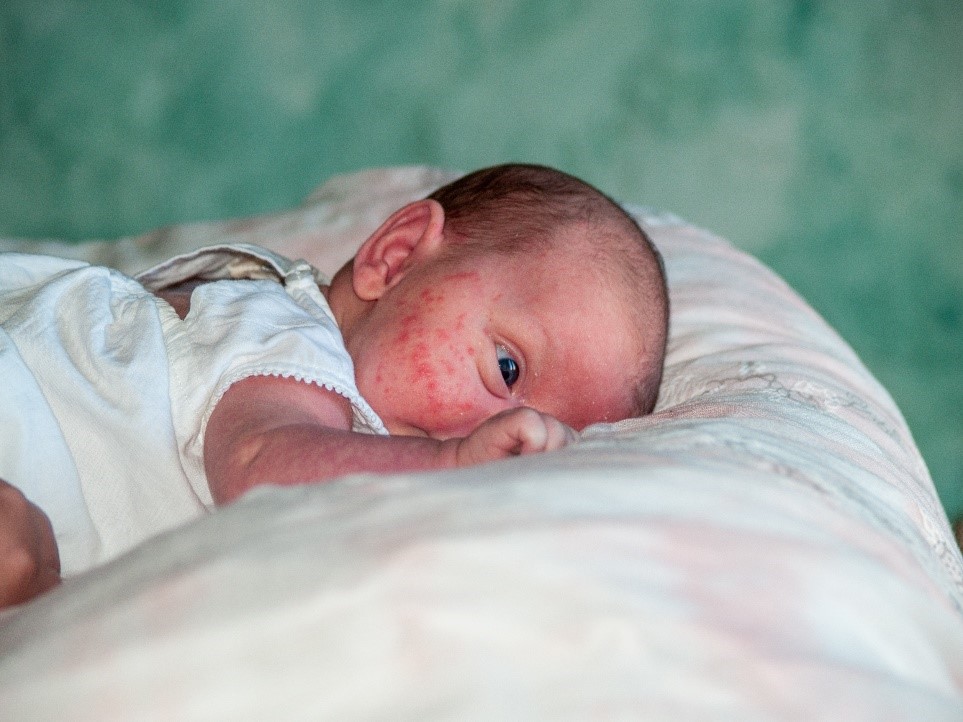
Neonates transition from a near-sterile intrauterine environment to a microbe-rich external world, requiring rapid immune adaptation. This period is marked by functional immaturity of both innate and adaptive immunity, making neonates particularly susceptible to infections and inflammatory conditions. Differentiating infection from inflammation during this stage is challenging, as clinical manifestations often overlap.
Common Presentations
Both infection and inflammation in neonates may present with:
- Temperature instability (hypothermia or hyperthermia)
- Feeding intolerance or poor feeding
- Respiratory distress
- Lethargy or irritability
- Apnea
- Skin manifestations
Neonatal Infections: Clinical Spectrum and Challenges
Infections during the first weeks of life remain a leading cause of global neonatal morbidity and mortality, with significant short- and long-term health consequences.1
- Common infectious conditions include early- and late-onset neonatal sepsis, pneumonia, meningitis, and urinary tract infections.
- Despite advances in neonatal care, neonatal sepsis remains the third leading cause of neonatal mortality, particularly in developing countries, and contributes substantially to deaths in children under five worldwide.2
- Cutaneous infections are frequently observed and include impetigo, cellulitis, and neonatal candidiasis.
Neonatal Inflammation: Non-Infectious Immune Activation
- Inflammation in neonates may occur in the absence of infection and reflects immune dysregulation, barrier immaturity, or environmental triggers.
- Disruption of regulatory pathways may result in inflammatory disorders such as atopic dermatitis (AD), irritant diaper dermatitis, seborrheic dermatitis, erythema toxicum neonatorum, and neonatal acne.
- Systemic inflammatory conditions, including necrotizing enterocolitis, bronchopulmonary dysplasia, and periventricular leukomalacia, further illustrate inflammation-driven neonatal pathology.
Skin as a Converging Interface of Infection and Inflammation
The neonatal skin serves as a critical interface between the host and the environment. Immaturity of the stratum corneum, increased transepidermal water loss (TEWL), and an evolving skin microbiome increase vulnerability to both microbial invasion and inflammatory responses. Early skin dysbiosis may predispose infants to inflammatory skin diseases such as AD; studies have indicated that infants who developed AD by one year of age exhibited signs of skin dysbiosis as early as the third day of life.3
Distinguishing infection from inflammation in neonates requires careful clinical assessment supported by biomarkers such as C-reactive protein, procalcitonin, cytokine profiles, and cultures, although overlap is common. Recognizing the distinctions between infection and inflammation, especially in skin and systemic presentations, is therefore essential to optimize neonatal care, avoid overtreatment, and support healthy immune development.
References
- Pietrasanta C, Conti MG. Editorial: Neonatal infections and the developing neonatal immune system: current evidence and research gaps to fill. Front Pediatr. 2023;11:1243752. Published 2023 Jul 17. doi:10.3389/fped.2023.1243752
- Fanaroff AA, Fanaroff JM. Advances in Neonatal Infections. Am J Perinatol. 2020;37(S 02):S5-S9. doi:10.1055/s-0040-1715584
- Aoyama R, Nakagawa S, Ichikawa Y, et al. Neonatal skin dysbiosis to infantile atopic dermatitis: Mitigating effects of skin care. Allergy. 2024;79(6):1618-1622. doi:10.1111/all.16095
Doctor Reviews 0
Verified clinical perspectives shared by healthcare professionals across the country.