
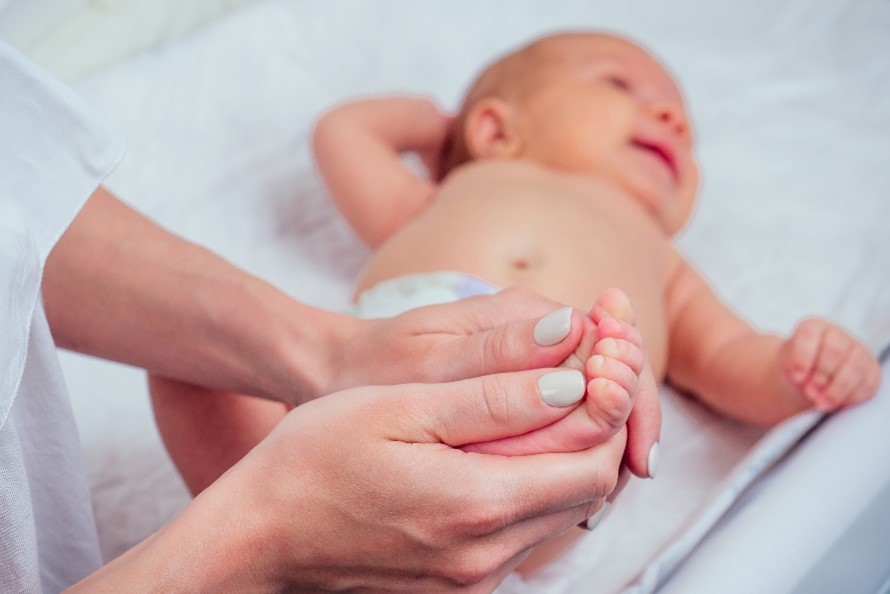
The skin microbiome, a dynamic community of microorganisms, is essential for maintaining skin health by defending against pathogens, regulating immune responses, and supporting barrier integrity1. External factors, including environmental pollutants and harsh skincare products, can disrupt this balance and compromise skin function. Microbial dysbiosis has been associated with several inflammatory skin conditions, including atopic dermatitis, seborrheic dermatitis, acne, psoriasis, and rosacea2.
Unlike adult skin, neonatal and infant skin is thinner, more permeable, and functionally immature, making it highly susceptible to irritants, infections, and dehydration3. During the first year of life, the skin microbiome undergoes rapid diversification and stabilization. This represents a critical window in which external factors, particularly skincare practices, can influence long-term microbial composition and skin health.
Guiding Principles for Microbiome-Supportive Skincare
A structured approach can support neonatal and infant skin care, beginning with the maintenance of healthy skin through evidence-based practices4:
- Apply full-body moisturizers after bathing, preferably ceramide-enriched emollients.
- Use brief (approximately 5-minute) lukewarm baths with pH-balanced cleansers.
- Avoid potential irritants such as fragrances, harsh soaps, and alcohol-based products.
Bathing and Cleansing Practices
- Bathing is recommended 2–3 times per week.
- Sponge baths are advised until the umbilical stump has healed.
- Use lukewarm water and mild, fragrance-free cleansers applied only to soiled areas, followed by thorough rinsing.
- Synthetic detergents (syndets), particularly in liquid formulations, are preferred over traditional soaps to maintain skin pH and barrier integrity.
Diaper Area Care
- Cleanse gently with water, soft cloths, or fragrance-free wipes.
- Change diapers frequently to minimize prolonged moisture exposure.
- Use super-absorbent diapers to reduce skin overhydration.
- Apply barrier products such as zinc oxide or petrolatum to protect against irritant dermatitis5.
Influence of Emollients on Skin Microbiome and Barrier Health
- Routine emollient use enhances microbial diversity and supports a balanced skin microbiome.
- Emollients increase levels of ceramides and free fatty acids, strengthening the barrier and reducing transepidermal water loss.
- They contribute to immune regulation and help prevent inflammatory skin conditions.
- In atopic dermatitis, emollients restore barrier function, improve hydration, and help correct microbial dysbiosis6.
Conclusion
Microbiome-friendly infant skincare emphasizes supporting the skin as a complex ecosystem rather than focusing solely on cleansing and moisturizing. Evidence-based practices that preserve microbial balance during early life may reduce the risk of inflammatory skin disorders. Ongoing research will continue to refine these strategies and optimize infant skin health outcomes.
References
- Hong JY, Kwon D, Park KY. Microbiome-based interventions for skin aging and barrier function. Ann Dermatol. 2025;37(5):259–268.
- Rusanac A, Skibola Z, Matijasic M, et al. Microbiome-based products in inflammatory skin diseases. Int J Mol Sci. 2025;26(14):6745.
- Choi EH. Skin barrier function in neonates and infants. Allergy Asthma Immunol Res. 2025;17(1):32–46.
- Schachner L, Andriessen A, Benjamin L, et al. Skincare algorithm for neonates and infants. J Drugs Dermatol. 2021;20(11):1195–1205.
- Madhu R, Vijayabhaskar C, Anandan V, et al. Pediatric skin care guidelines. Indian Pediatr. 2021;58(2):153–161.
- Capone KA, Friscia DL, Nikolovski J, Telofski LS, Stamatas GN. Emollient effects on infant skin microbiome. Exp Dermatol. 2023;32(1):75–77.