
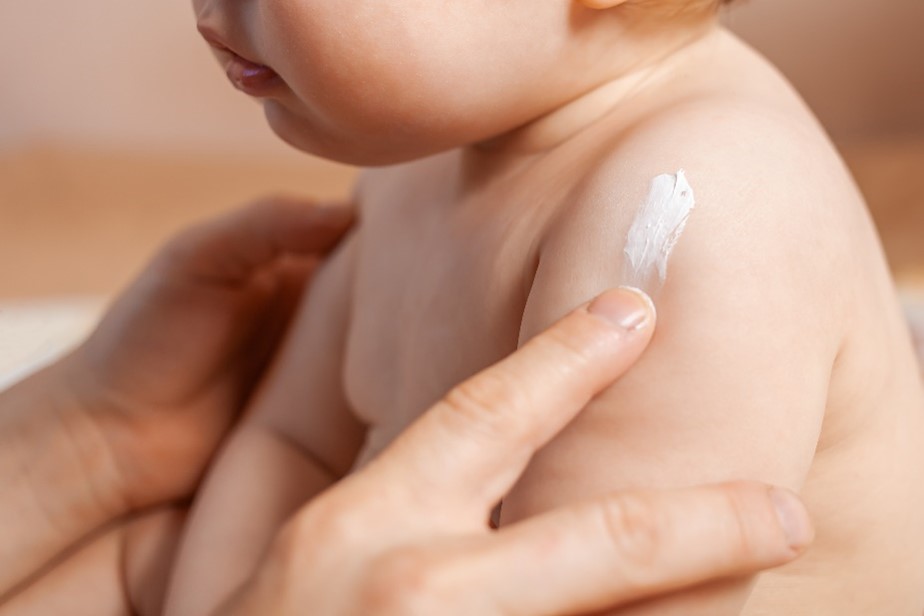
Vernix caseosa is a naturally occurring, lipid-rich biofilm that covers the fetal skin during the third trimester. Produced by fetal sebaceous glands and corneocytes, it develops in a cephalo-caudal pattern as part of epidermal maturation. Composed of approximately 80% water, 10% lipids, and 10% proteins, vernix is far more than a protective coating; it plays a critical role in neonatal skin barrier development, adaptation to life outside the womb, and long-term cutaneous health1.
Composition and Physiological Functions
- Lipid Fraction: Comprises sebaceous and epidermal barrier lipids, including squalene, wax esters, triglycerides, cholesterol, fatty acids, and ceramides. Non-lamellar lipids dominate, with ceramides making up about 4.9% of the total lipid fraction. These lipids support barrier integrity and skin maturation.
- Protein Fraction: Contains innate immunity proteins such as defensins and cathelicidins, surfactant proteins, and enzymes. Antimicrobial proteins like lysozyme and lactoferrin are stored in granules, allowing rapid response to pathogens.
- Barrier Protection: Forms a temporary epidermal barrier that prevents maceration in utero while maintaining enzyme activity necessary for epidermal development. Supports gas exchange and thermal regulation.
- Hydration Regulation: Balances water content during the transition from the aqueous intrauterine environment to dry extrauterine conditions, limiting transepidermal water loss.
- Antimicrobial Properties: Provides broad-spectrum defense through physical barrier effects, pH modulation, and antimicrobial peptides.
- Wound Healing: Enhances keratinocyte migration, proliferation, and differentiation, supporting both prenatal development and postnatal skin repair2.
Clinical Implications
- Natural Skin Care: Delayed bathing (12–24 hours) allows vernix absorption into the stratum corneum, supporting barrier function.
- Preterm Infant Care: Premature neonates often have reduced vernix, contributing to barrier dysfunction; vernix-based therapies may enhance skin protection.
- Microbiome Development: Vernix supports colonization of beneficial microbes while inhibiting pathogens, influencing long-term immune and skin health.
Vernix caseosa is a natural protective barrier that begins to form physiologically in the last months of pregnancy and surrounds the fetal skin. Preserving vernix after birth enhances barrier maturation, microbial protection, and overall skin resilience, highlighting its importance in modern neonatal care and potential therapeutic applications.
References
- Mesfin S, Afework M, Bikila D, et al. Distribution of vernix caseosa and associated factors. Clin Cosmet Investig Dermatol. 2022;15:2903–2914.
- Visscher MO, Carr AN, Narendran V. Epidermal immunity and function. Front Mol Biosci. 2022;9:894496.
- Sapmaz MA, Polat M, Erbey S, et al. Effects of vernix caseosa on cesarean skin incision. J Clin Med. 2025;14(5):1527.