

Emollients as Functional Barrier Modulators
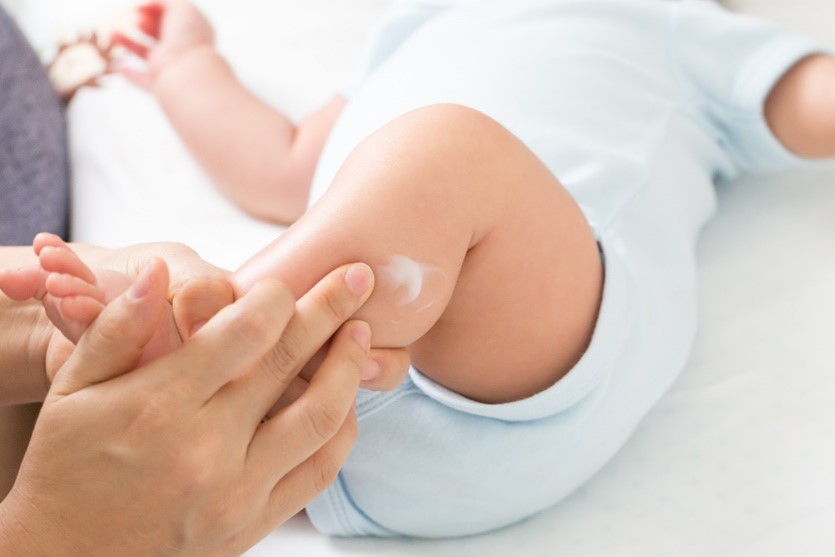
Emollients are topical formulations that maintain and restore skin barrier function and are fundamental to dermatological therapy. They are used both therapeutically and preventively in skin disorders characterized by barrier impairment. By improving hydration and reinforcing barrier integrity, emollients play a central role in the management of numerous dermatological conditions.
Skin Barrier Function and Dysfunction
The skin barrier, located primarily within the stratum corneum, protects against environmental insults and prevents excessive transepidermal water loss (TEWL). Structurally, it consists of corneocytes embedded in a lipid matrix arranged in a “brick and mortar” pattern1.
Disruption of this barrier contributes to conditions such as atopic dermatitis, psoriasis, ichthyosis, contact dermatitis, and age-related xerosis.
Mechanisms of Action
- Occlusive agents: Including petrolatum and dimethicone, form a hydrophobic layer that reduces TEWL2.
- Humectants: Such as glycerin, urea3, and hyaluronic acid attract and retain water within the stratum corneum.
- Lipid-replenishing agents: Including ceramides, cholesterol, and free fatty acids restore the intercellular lipid matrix and address the underlying causes of barrier dysfunction.
Functional Classification
- First-generation emollients: Primarily provide occlusion and short-term hydration4.
- Second-generation formulations: Incorporate physiological lipids to support barrier repair.
- Third-generation emollients: Contain active compounds that influence keratinocyte differentiation, inflammation, and antimicrobial defense, offering targeted barrier modulation.
Clinical Applications
Emollients are first-line therapy in atopic dermatitis, reducing disease severity and flare frequency. In psoriasis, they alleviate scaling and enhance penetration of topical medications. In ichthyosis, keratolytic emollients manage hyperkeratosis. They also support barrier recovery in contact dermatitis and improve hydration and resilience in aging skin.
Beneficial Role of Emollients for Infant Skin
- Enhancing skin barrier function
- Retention of moisture
- Anti-inflammatory properties
- Accelerated barrier repair
- Protection against infection
- Decrease in desquamation
- Support for skin maturation
- Maintaining optimal lipid composition
- Protection from environmental damage
- Enhancing microbiome balance
- Reduction in skin irritation
Conclusion
Emollients are essential skin barrier modulators that act through occlusion, hydration, and lipid replenishment to restore and maintain cutaneous barrier integrity across a wide range of dermatological conditions. Their tailored use, including advanced formulations and early application in infant skin, supports barrier repair, reduces disease burden, and promotes long-term skin health.
Moreover, natural emollients such as sunflower seed oil, coconut oil, and shea butter have been shown to enhance neonatal skin barrier function by improving stratum corneum hydration and significantly reducing transepidermal water loss.
References
- Berkers T, Visscher D, Gooris GS, Bouwstra JA. Topically Applied Ceramides Interact with the Stratum Corneum Lipid Matrix. Pharm Res. 2018;35(3):48.
- Purnamawati S, Indrastuti N, Danarti R, Saefudin T. The Role of Moisturizers in Dermatitis. Clin Med Res. 2017;15(3-4):75–87.
- Piquero-Casals J, et al. Urea in Dermatology. Dermatol Ther (Heidelb). 2021;11(6):1905–1915.
- Grze?k-Kaczy?ska M, et al. Emollients in Atopic Dermatitis Prevention. J Clin Med. 2024;13(3):863.
- Visscher M, Geiss S. Emollient Therapy for Newborn Infants. Newborn Infant Nurs Rev. 2014;14(4):153–159.
Doctor Reviews 0
Verified clinical perspectives shared by healthcare professionals across the country.